
Intermittent Fasting for Everyday Life
Especially helpful for people balancing work, study, and family responsibilities
No extreme diets. No pressure. Just practical habits that fit real family life. At ParentsHub, we share beginner-friendly wellness and self-care resources for busy parents and working adults who want structure — not starvation, guilt, or complicated plans. If you’re just starting to explore healthier routines, you’re in the right place.
The book is designed for people balancing work, study, and family responsibilities, and can be especially helpful for parents who want a clear, structured starting point without extreme rules. Many people feel overwhelmed by conflicting diet advice online. A clear, simple routine can make it easier to get started without overthinking every step.
Some people exploring intermittent fasting also look into optional tools such as coffee-based metabolism support products that fit easily into daily routines. These are not required, but some individuals prefer learning about different approaches while building healthier habits.
👉 If you’re looking for information about one such option, you can explore it here.
What intermittent fasting means for busy people
Intermittent fasting isn’t about skipping meals or pushing the body to extremes. At its core, it is simply a way of organising when you eat, rather than strictly controlling what you eat.
For many working professionals, students, and busy adults, it means eating within a consistent daily window and allowing enough time between meals for the body to rest from constant eating. Instead of frequent snacking or irregular meal timings, the focus shifts toward creating a more predictable routine.
When approached gently and adjusted to individual lifestyles, this approach may help encourage:
- More mindful eating habits
- Reduced late-night or unplanned snacking
- Better routine consistency during busy weeks
- Greater awareness of hunger and meal timing
Everybody is different, and intermittent fasting isn’t suitable for everyone. Personal needs, health conditions, and daily schedules vary, which is why flexible, beginner-friendly approaches are often more sustainable than strict or extreme methods.
For many beginners, the biggest benefit is not restriction, but simplicity — fewer decisions about food throughout the day and a clearer daily rhythm that fits around work, study, and family responsibilities.
Why beginners need structure — not strict rules
Many people give up on intermittent fasting not because the idea doesn’t work for them, but because they begin with unrealistic expectations or overly complicated schedules.
Online advice often focuses on long fasting hours, strict meal rules, or rapid results. For beginners, this can quickly feel overwhelming and difficult to maintain alongside work, studies, or family responsibilities.
A simple, step-by-step approach allows you to:
- Ease into fasting gradually without sudden changes
- Understand when to eat instead of constantly worrying about what to eat
- Build consistency without feeling restricted
- Adjust the routine around real-life schedules and social situations
- Learn how to restart calmly after breaks or busy periods
For many beginners, having a clear structure removes confusion and makes the process feel manageable rather than stressful.
That’s where a beginner-focused guide can make a difference — by offering a starting point that is practical, flexible, and easier to follow in everyday life.
Instant digital download. Secure checkout. No account required. Works on phone, tablet, or PC. Also available on multiple platforms.
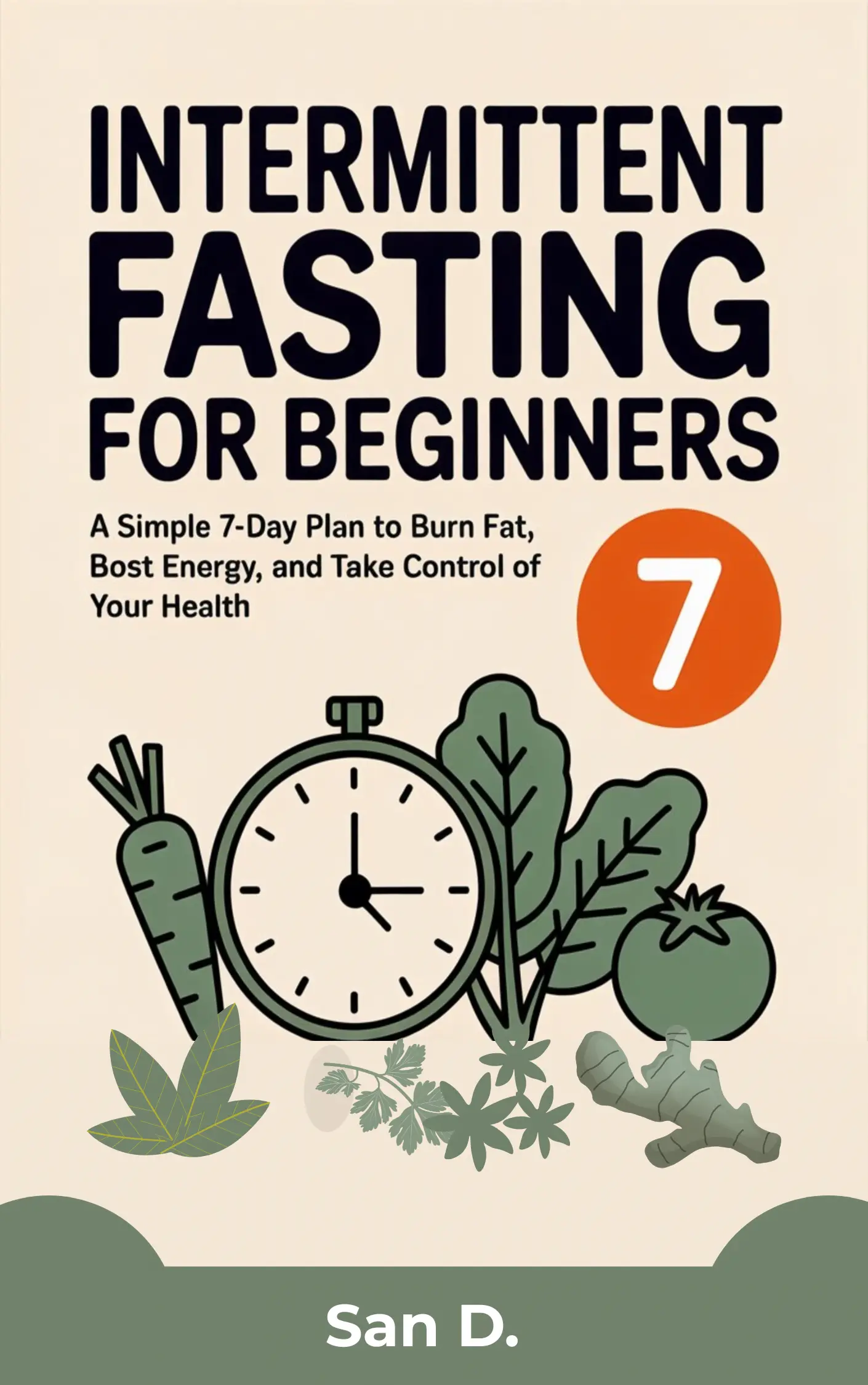
Intermittent Fasting for Busy Beginners: A Simple 7‑Day Plan to Burn Fat and Boost Energy Without Complicated Diets
A ParentsHub Wellness Guide
Designed for beginners — including students, working professionals, and busy adults — who want structure without extreme restriction.
This guide is for you if:
What’s included in the guide
- A simple, day-by-day 7-day fasting framework with clear eating and fasting windows.
- Flexible meal structure templates (not strict recipes), suitable for both Indian and global diets.
- Practical tips for navigating cravings, social occasions, and shared family meals.
- General guidance on starting intermittent fasting safely, including situations where fasting may not be appropriate.
- Printable and phone-friendly checklists to help you stay organised during the first week.
Prefer another platform? The guide is also available on Gumroad.
Optional tools some people explore alongside fasting
Some people choose to explore additional tools alongside intermittent fasting as part of their overall routine. These may include coffee-based supplements or metabolism-support blends that are designed to complement existing eating habits rather than replace balanced nutrition.
It’s important to remember that such products are optional. Intermittent fasting can be practiced successfully without supplements, and individual experiences may vary depending on lifestyle, diet quality, and consistency over time.
For those who are curious, some individuals prefer options that fit easily into their existing routines without requiring major changes to meals or schedules. Learning about different approaches can help people make informed decisions based on what feels sustainable and suitable for their own lifestyle.
This is an optional recommendation. Individual experiences may vary, and supplements are not required for practicing intermittent fasting successfully.
👉 If you’d like to learn more about one such option, you can explore it below.
This is an affiliate link. If you purchase through this link, we may earn a small commission at no extra cost to you. Supplements are optional and not required for intermittent fasting. Always consult a healthcare professional before starting any supplement.
If you prefer starting with a simple, structured approach, the beginner intermittent fasting guide above explains how to build a routine step by step.
A gentle reminder
Health and wellness journeys look different for everyone. The information shared on this page is intended for educational purposes only and should not be considered medical advice. Always choose approaches that feel sustainable for your lifestyle, and consult a healthcare professional before making significant dietary or supplement changes.